|
|||||||||||||||||||||||||||||||||||||||||||||||||||||



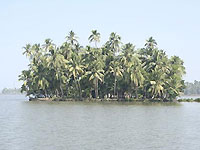 Mangroves are wetland ecosystems found mainly along the tropical and sub – tropical inter- tidal regions of the world. It is formed by special types of plants and animals associated together over a long evolutionary time in the low – lying coastal estuaries, backwaters and lagoons.
 You are just a step away from enjoying your dream voyage on an exotic houseboat in Kerala, the Gods own country.
 Travel Info | Kerala Backwaters | Kerala Houseboats | Kerala Destinations | List of Houseboats | Booking/Enquiry
Kerala Photogallery | Kerala Holiday Packages | Kerala Honeymoon Holidays | Kerala Houseboat Cruise Packages | Kerala Family Tour Packages | Kerala Adventure Tour Packages | Kerala Beach Tour Packages
| www.tourpackagesinkerala.com | www.houseboatskeralaindia.com | www.alappuzhahouseboats.com | www.keralaresorts.co.in | www.keralahouseboats.co |
Best viewed in 1024 X 768 pixels. Designed & Created by www.ddominic.com